Sugaring and waxing are two popular hair removal procedures that provide smooth skin for weeks. The main differences between them lie in the hair removal technique, materials, and comfort level during the procedure.
Some choose waxing for its speed, while others prefer sugaring for its gentler treatment. But there’s no one-size-fits-all approach: the choice depends on skin sensitivity, pain threshold, the area being treated, and personal expectations for the outcome.
In this article, we’ll explore the differences between sugaring and waxing, the advantages and disadvantages of each more painful procedure, what causes fewer ingrown hairs, and which method is best for you.
What is sugaring?
Sugaring is a method of removing unwanted hair using a special sugar paste. The procedure removes hair from the root, leaving skin smooth for an average of 3-4 weeks.
Sugaring paste is typically based on sugar, water, and lemon juice. This formula makes the procedure gentler on the skin and often suitable even for sensitive areas. Sugaring is used for hair removal on the legs, arms, underarms, bikini area, and face.
How does the procedure work?
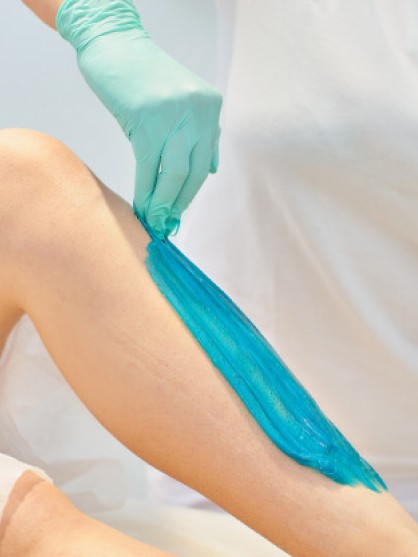
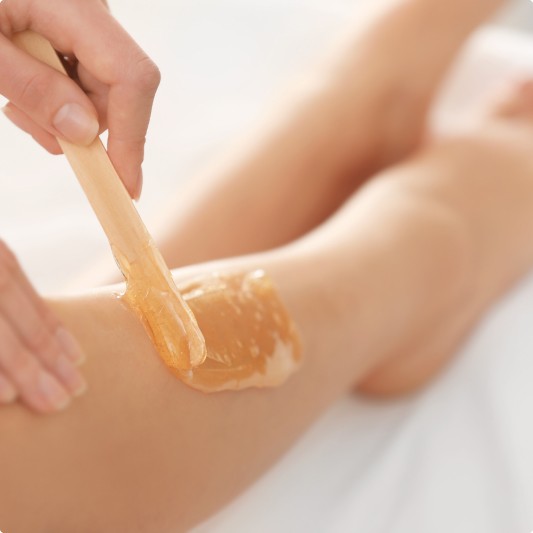
Before the procedure, the skin is cleansed and, if necessary, special prep products are applied. Afterwards, the technician applies the sugar paste against the hair growth and removes it in the direction of hair growth using short strokes.
The technique of removing hair in the direction of hair growth is considered one of the key features of sugaring. This often results in less irritation and reduces the risk of ingrown hairs. Finally, soothing and moisturizing products are applied to the skin. The comfort of the procedure and the condition of the skin after depilation largely depend on the correct technique, the professionalism of the technician, and the quality of the materials.
Benefits of sugaring
Sugaring remains popular due to its combination of long-lasting results and gentler skin treatment. Many clients choose this procedure for sensitive areas and regular hair removal.
The main advantages of sugaring:
- more sensitive effect on the skin;
- less risk of irritation and redness;
- lower risk of ingrown hairs;
- smooth skin for up to several weeks;
- the ability to remove hair from different parts of the body;
- comfortable paste temperature without strong heating;
- additional effect of light skin peeling.
For sensitive skin, professionals often recommend professional pastes with a delicate texture, which help minimize irritation and make the procedure more comfortable.
With regular treatments, hair can become finer and less noticeable, and the depilation itself can become more comfortable.
Disadvantages of sugaring
Despite the popularity and delicacy of the procedure, sugaring also has some features that should be taken into account before booking.
Possible disadvantages include:
- the procedure takes longer than waxing;
- For a high-quality result, the correct technique of the master is important;
- On very coarse hair, re-application of the paste may sometimes be required;
- If done incorrectly at home, irritation may occur;
- For the procedure, the hair must grow to a certain length.
It’s also important to keep in mind that skin reactions and comfort levels vary from person to person. What’s ideal for one person may be less comfortable for another.
What is waxing?
Waxing is a procedure for removing unwanted hair. Depilation removes hairs from the root, leaving skin smoother for significantly longer than shaving.
The procedure can use different types of wax: warm, hot, or film. This method is suitable for hair removal on the legs, arms, underarms, bikini area, and face. Waxing is often chosen for its speed and the ability to treat large areas of skin simultaneously.
How does waxing work?
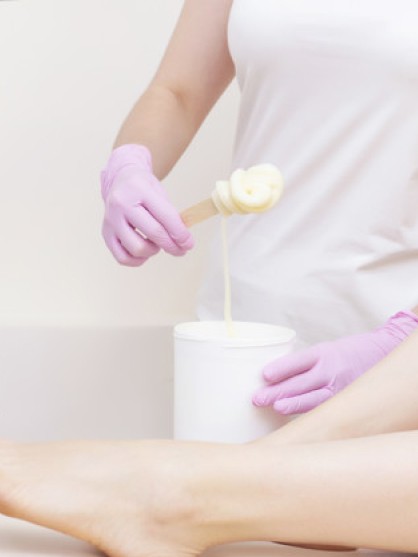
Before the procedure, the skin is cleansed and prepared for wax application. The technician then distributes the wax in the direction of hair growth and removes the hair with a sharp movement in the opposite direction.
Depending on the technique, special strips or film wax may be used, which can be removed without additional materials. Warm wax helps better grip the hairs, making the procedure effective even for short and coarse hairs. Afterward, soothing products are applied to the skin to reduce irritation.
The correct choice of wax type and application technique plays an important role, depending on the depilation area, skin sensitivity and hair structure.
Benefits of waxing
Waxing remains one of the most popular procedures due to its quick results and long-lasting effect of smooth skin.
The main advantages of waxing:
- fast hair removal on large areas of the body;
- smooth skin for up to 3-4 weeks;
- effective removal of even coarse hair;
- hair may become thinner over time;
- the procedure is suitable for different areas;
- the result is noticeable immediately after the session;
- a wide range of techniques and types of wax for different skin types.
It is because of the speed of the procedure that waxing is often chosen for hair removal on legs or other large areas.
Disadvantages of waxing
Despite its effectiveness and popularity, waxing has its own characteristics that can affect comfort during the procedure and the condition of the skin afterward.
Potential disadvantages of waxing include:
- the procedure may be more painful;
- After depilation, irritation or redness sometimes occurs;
- there is a risk of ingrown hairs;
- Hot wax can cause discomfort if used incorrectly;
- For a quality result, the hair must grow to the desired length;
- Sensitive skin may react more strongly than after sugaring.
Much depends on the technique, skin type, and the artist’s skill. Therefore, it’s important to choose a procedure that takes into account your individual needs and desired results.
How is sugaring different from waxing?
Sugaring and waxing are similar in principle: hair is removed by the root, resulting in smooth skin for several weeks. The main differences lie in the technique, the materials used, and the level of comfort during the procedure.
Sugaring is often considered a more gentle method for sensitive skin, while waxing is typically chosen for its speed and effectiveness on larger areas of the body. To better understand the differences between the procedures, let’s compare them based on key criteria.
| Criterion | Sugaring | Waxing |
| Pain | Usually less painful | Often more noticeable |
| Speed of procedure | Lasts longer | Rather, in large areas |
| Skin irritation | The risk is lower | There may be more redness. |
| Ingrown hairs | It happens less often | The probability is higher |
| Minimum hair length | From 4–5 mm | From 5–7 mm |
| Sustainability of the effect | On average 3-4 weeks | On average 3-4 weeks |
| Post-procedure care | It’s usually easier | May require additional skin soothing. |
| Risk of allergies | Below due to the simple composition of the paste | Depends on the composition of the wax |
| Material temperature | Comfortable paste temperature | The wax often gets hotter |
Pain
Whether sugaring or waxing is more painful depends on individual sensitivity. However, many clients find sugaring more comfortable due to its hair removal in the direction of growth and its gentler effect on the skin.
Waxing may feel more intense, especially in sensitive areas or during the first treatment.
Speed of procedure
If speed is important, waxing is often the preferred method. Waxing allows for rapid treatment of large areas of skin, reducing the time required for the procedure.
Sugaring is performed gradually and delicately, so the session can last longer.
Skin irritation and sensitivity
Sugaring is generally better suited for sensitive skin. The sugar paste adheres less to the skin itself, so the risk of irritation is often lower.
After waxing, redness or sensitivity may be more noticeable, especially after hot wax.
Ingrown hairs
One of the reasons sugaring is so popular is the lower risk of ingrown hairs. Hairs are removed in the direction of growth, making them less likely to break.
After waxing, ingrown hairs may appear more frequently, especially without proper home care and regular exfoliation.
Sustainability of the result
Both treatments provide long-lasting smooth skin—on average, up to 3–4 weeks. The duration of results depends on individual hair growth rate and the frequency of treatments.
With consistent care, hair can become finer and less noticeable, regardless of the method chosen.
Allergy risk and material composition
Sugaring paste typically has a simple formula of sugar, water, and lemon juice. Therefore, the risk of an allergic reaction is often lower.
Wax may contain additional components, fragrances or resins, so it is important for people with sensitive skin to pay attention to the composition of the product.
Material temperature
Sugaring typically uses paste at body temperature – approximately 36-38°C – so the procedure does not require much heating of the material and is often perceived as more comfortable for sensitive skin.
During waxing, the wax temperature may be higher—approximately 40–50°C, depending on the wax type and technique. Therefore, improper heating or technique may cause discomfort or increased skin sensitivity after depilation.
What is better to choose: sugaring or wax?
There’s no universal answer to the question “Which is better—sugaring or waxing?” Both procedures effectively remove hair and provide long-lasting results, but comfort and results may vary depending on skin type, sensitivity, and the area being waxed.
To choose the best option, you should consider not only the duration of the effect, but also the skin’s reaction, pain threshold, and hair characteristics.
In the chain’s salonsGoosefootProfessionals typically assess your skin type, hair thickness, and coarseness, and then help you choose the most comfortable and effective hair removal method.
For sensitive skin
Sugaring is more often recommended for sensitive skin. Sugar paste works more gently, and the procedure itself typically causes less irritation and redness.
Sugaring also does not require much heating of the material, which may be important for people with sensitive or irritated skin.
For a deep bikini
For the deep bikini area, both sugaring and waxing are used. The choice largely depends on individual preferences and the experience of the specialist. For delicate areas, the specialist’s professionalism, sterility, and proper handling of sensitive skin are especially important.
Bikini sugaring is often chosen for its gentler action and lower risk of ingrown hairs. At the same time, waxing allows for faster treatment and effectively removes coarse hairs.
For legs
For leg depilation many clients choose waxing because of the speed of the procedure. Waxing allows for larger areas of skin to be treated simultaneously, so the session takes less time.
Sugaring is also suitable for legs, especially if the skin is prone to dryness or irritation after depilation.
For the first depilation
If this is your first hair removal procedure, sugaring is often perceived as more comfortable. The procedure is considered gentler, and irritation afterward is typically less severe.
For people with a low pain threshold or sensitive skin, sugaring may be a more comfortable option for getting started with hair removal.
For coarse hair
For coarse and thick hair, both treatments can be effective. Waxing effectively grips thick hair and removes it quickly, even from large areas.
Sugaring is also suitable for coarse hair, especially in the bikini area, as the paste tightly coats the hairs and helps remove them more gently. Much depends on the correct technique and the professionalism of the technician.
What to look for when choosing a hair removal specialist
The results of sugaring or waxing depend not only on the chosen procedure but also on the professionalism of the technician. Proper technique, high-quality materials, and proper hygiene all impact comfort during the procedure, the condition of the skin afterward, and the risk of irritation or ingrown hairs.
To ensure that hair removal is as comfortable and safe as possible, you should pay attention to several important points.
- Sterility and hygiene
The technician must work in a clean environment, use disposable materials, and observe basic hygiene rules. This is especially important for sensitive areas. - Quality of materials
Professional pastes and waxes have a comfortable texture, are gentle on the skin, and reduce the risk of irritation. For sensitive skin, it’s especially important to pay attention to the ingredients. - Master’s experience
The technique used directly impacts the comfort of the procedure and the results. An experienced specialist is skilled in working with different areas, hair types, and skin characteristics. - Correct selection of equipment
There’s no one-size-fits-all method. Some people are better suited to sugaring, while others are better suited to waxing. The technician must consider the sensitivity of the skin, the thickness of the hair, and the area being depilated. - Consultation before the procedure
Before the session, the specialist usually discusses your skin type, hair removal experience, and potential reactions. This helps determine the most comfortable and effective procedure.
At PIED-DE-POULE, our specialists select the right depilatory technique based on your skin type, sensitivity, and hair characteristics. This approach helps make the procedure more comfortable and achieve the most precise results.
What’s more painful: waxing or sugaring?
One of the most frequently asked questions before booking a hair removal appointment is which is more painful: sugaring or waxing. There’s no definitive answer, as the level of discomfort depends on your pain threshold, skin sensitivity, the area being treated, and the technique used.
However, most clients find sugaring less painful than waxing. This is because the sugar paste is removed in the direction of hair growth, causing less trauma to the skin and hair follicles. Furthermore, the paste adheres less strongly to the skin, targeting primarily the hairs themselves.
During waxing, hair is removed against the grain, so the procedure often feels more intense and abrupt, especially in sensitive areas like the bikini area or underarms. The wax temperature may also cause some discomfort if your skin is very sensitive.
The level of pain is also influenced by:
- the first is a procedure or regular;
- hair length and thickness;
- depilation area;
- day of the cycle and skin sensitivity;
- professionalism of the master;
- proper care between procedures.
It’s important to understand that after several regular treatments, hair often becomes thinner, and the depilation itself becomes much more comfortable, regardless of the method chosen.
If you have sensitive skin or a low pain threshold, sugaring is often recommended as a first step to hair removal. However, if speed is a priority, many clients choose waxing, despite the more intense pain.
How to prepare for the procedure
Proper preparation for sugaring or waxing helps make the procedure more comfortable and improves its effectiveness. The condition of your skin and hair length largely determine how well the material grips the hairs and the results you’ll achieve after the procedure.
Whether you choose sugaring or waxing, there are some basic guidelines to follow before your appointment.
Optimal hair length
For high-quality hair removal, it is important that the hairs have time to grow to the desired length.
Recommended length:
- for sugaring – approximately 4–5 mm;
- for waxing – about 5–7 mm.
Hair that is too short may not be able to absorb paste or wax well, while hair that is too long may make the procedure less comfortable.
Scrubbing before depilation
A light exfoliation or peeling is recommended 1-2 days before the procedure. This helps remove dead skin cells and reduce the risk of ingrown hairs after waxing.
For sensitive skin, it is better to use mild products without aggressive abrasive components.
What you shouldn’t do before the procedure
To avoid irritation and increased skin sensitivity, certain procedures and products should be avoided before depilation.
Before sugaring or waxing it is not recommended:
- sunbathe or visit a solarium 1–2 days before the procedure;
- use aggressive acids and active leather products;
- apply oils, thick creams or lotions before the session;
- perform other traumatic cosmetic procedures in this area;
- shave your hair a few days before the recording.
It is also advisable to wear loose clothing made from natural fabrics on the day of the procedure, especially after bikini or underarm waxing.
Skin care after depilation
Skin care after sugaring or waxing directly impacts comfort, recovery speed, and the risk of irritation or ingrown hairs. After the procedure, the skin remains sensitive for some time, so it’s important to follow basic recommendations.
Proper home care helps keep your skin smoother longer and reduces the likelihood of discomfort after hair removal.
What to do after the procedure
Immediately after depilation, you should give your skin time to recover and avoid anything that could cause further irritation.
After the procedure it is recommended:
- wear loose clothing made from natural fabrics;
- use soothing and moisturizing products;
- avoid rubbing the skin during the first hours;
- keep skin hydrated;
- Follow the home care professional’s recommendations.
Post-waxing care for the bikini area, underarms and other sensitive areas is especially important.
What not to do after depilation
In the first 24–48 hours after the procedure, the skin may be more sensitive to temperature, cosmetics and mechanical stress.
After sugaring or waxing it is not recommended:
- visit a sauna, bathhouse or swimming pool;
- take a very hot shower or bath;
- actively sunbathe or visit a solarium;
- use aggressive scrubs and acids;
- engage in intense sports in the first hours after the procedure;
- apply alcohol-containing products to the treated skin.
Such restrictions help reduce the risk of irritation and redness.
How to prevent ingrown hairs
Ingrown hairs are one of the most common problems after waxing. They are most often caused by insufficient exfoliation or improper home care.
To reduce the risk of ingrown hairs, you should:
- moisturize your skin regularly;
- use a soft scrub 1-2 times a week;
- avoid wearing too tight clothing after the procedure;
- do not injure the skin with hard washcloths;
- Maintain a regular hair removal schedule.
With proper care, your skin will stay smoother longer, and the procedure itself will become more comfortable over time.
Mistakes after sugaring and waxing
Even high-quality hair removal can cause irritation or ingrown hairs if basic post-treatment recommendations are not followed. Often, the cause of discomfort is not related to sugaring or waxing, but to improper home care in the first few days after the procedure.
To keep your skin smooth and comfortable for longer, it’s important to avoid common mistakes after waxing.
Tanning immediately after the procedure
After sugaring or waxing, the skin remains more sensitive to UV rays for some time. Active tanning or tanning beds in the first 24–48 hours can cause irritation, redness, and increased sensitivity.
This is especially true for the bikini area, underarms and other delicate areas.
Intense sports on the same day
After waxing, skin is more sensitive to friction and sweat. Vigorous exercise immediately after the procedure may cause discomfort, irritation, or rash, especially in areas prone to friction.
Therefore, many specialists recommend postponing intense physical activity at least until the next day.
Aggressive scrubs and acids
Avoid using harsh scrubs, acidic products, or active treatments containing retinol immediately after hair removal. These may increase skin sensitivity and cause irritation.
It is better to return to exfoliation gradually, a few days after the procedure.
Shaving between treatments
Shaving between waxing sessions can affect the hair structure and make subsequent hair removal more difficult. Furthermore, shaving often leaves hair feeling rougher, making the next session less comfortable.
For lasting results, it is best to stick to a regular sugaring or waxing schedule.
Tight synthetic clothing
After depilation, skin needs to be handled with the utmost care. Tight synthetic clothing can increase friction, trap moisture, and cause irritation.
After the procedure, it is advisable to choose looser clothing made from natural fabrics, especially after bikini or underarm hair removal.
When you shouldn’t do hair removal
Despite the popularity and safety of sugaring and waxing, in some situations it’s best to postpone the procedure. This will help avoid irritation, discomfort, and unwanted skin reactions.
Before your appointment, it’s important to pay attention to your skin condition and overall well-being. If you have any concerns about the procedure, consult a specialist first.
Depilation is usually not recommended in the following cases:
- skin irritation, rash, or damage;
- fresh scratches, burns or cuts;
- sunburn after tanning;
- exacerbation of skin diseases;
- individual reaction to the components of the paste or wax;
- very sensitive or damaged skin after cosmetic procedures.
Many professionals also recommend rescheduling the procedure if the skin has become overly sensitive after active treatments with acids, retinol, or aggressive peels.
Sugaring or waxing: which one is right for you?
Sugaring and waxing offer similar results – smooth, hair-free skin for weeks. However, each procedure has its own unique characteristics, comfort level, and suits different needs and skin types.
If you’re looking for a more gentle treatment and minimized irritation, sugaring is often the preferred choice. However, if speed is a priority, especially for larger areas of the body, many clients prefer waxing.
Briefly about the main differences:
- Sugaring is more often recommended for sensitive skin;
- Waxing is usually faster on larger areas;
- Both procedures provide a long-lasting smooth effect;
- the risk of irritation and ingrown hairs depends not only on the method, but also on the care after the procedure;
- Comfort largely depends on the correct choice of equipment and the professionalism of the technician.
The final choice between sugaring and waxing depends on individual skin characteristics, hair structure, and personal feelings during the procedure.
Comfort during hair removal depends not only on the chosen method but also on the correct technique. At PIED-DE-POULE, our specialists use professional materials and tailor the procedure to the individual needs of your skin and hair.