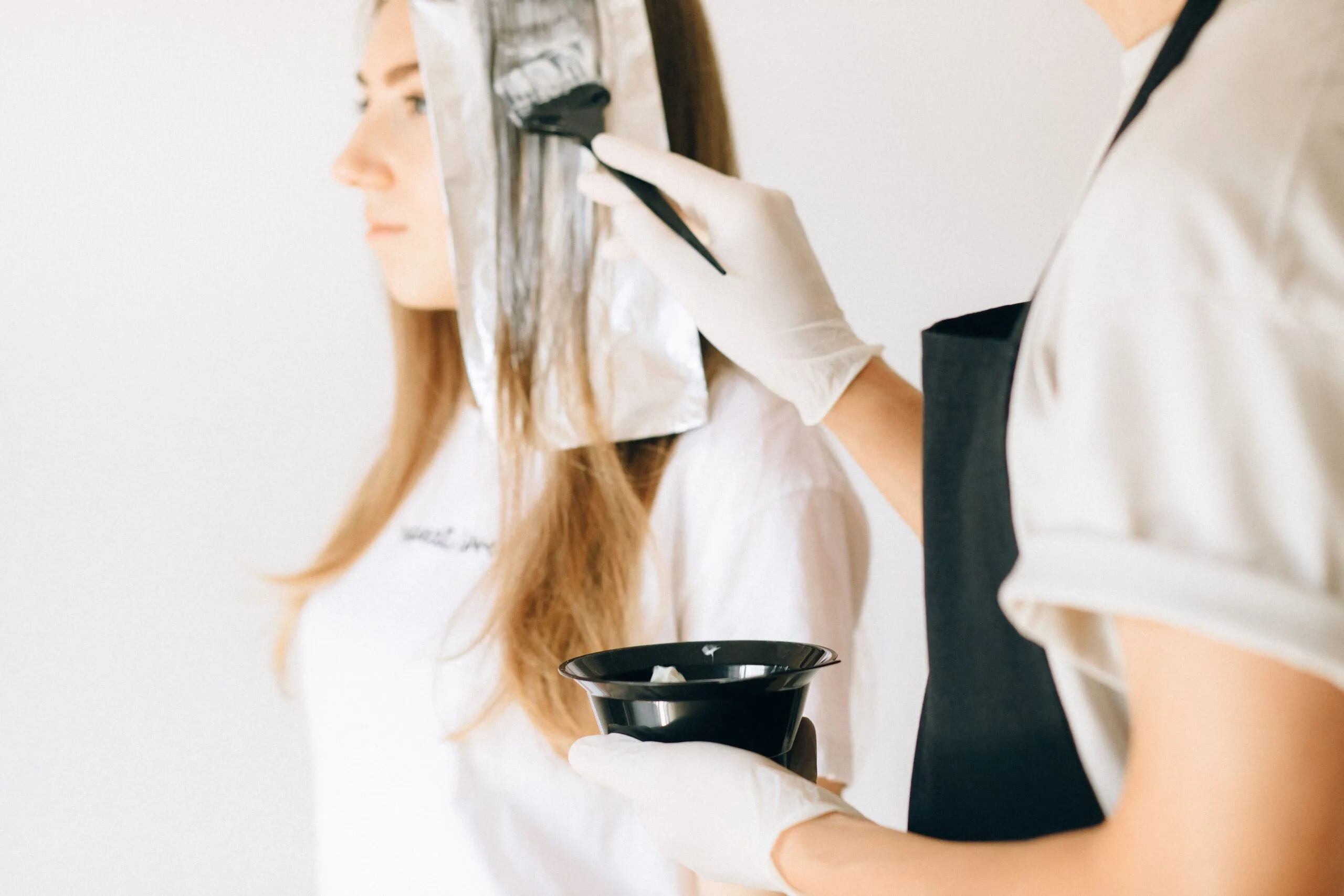
Types of Hair Colouring
Modern stylists use a huge range of hair colouring techniques. Each one is distinctive in its own way and creates a unique effect. Here are the most popular ones, so you can choose the perfect fit for you.
Thanks to the variety of modern colouring techniques, you can easily combine several shades at once, since this is exactly the style that current trends favour. But keep in mind that this is very complex, and not every stylist can perform it well. Don’t try to recreate complex techniques (balayage, ombre, or colour blocking) at home — the results of such experiments can be a disappointing surprise. A smooth colour transition from roots to ends along the full length can only be achieved by a skilled colourist.
Colour Blocking
Colour blocking lets you add bold accents, change your hair’s tone, and highlight volume and interesting cut shapes. This technique uses up to 15 shades of colour at once. It can cover:
- part of a strand;
- the root area;
- hair from roots to ends.
Colour blocking doesn’t aim for smooth transitions and can fully embrace the simultaneous use of contrasting colours. This technique is ideal for anyone who wants bold, individually accented strands in a striking colour.
Hair Highlighting
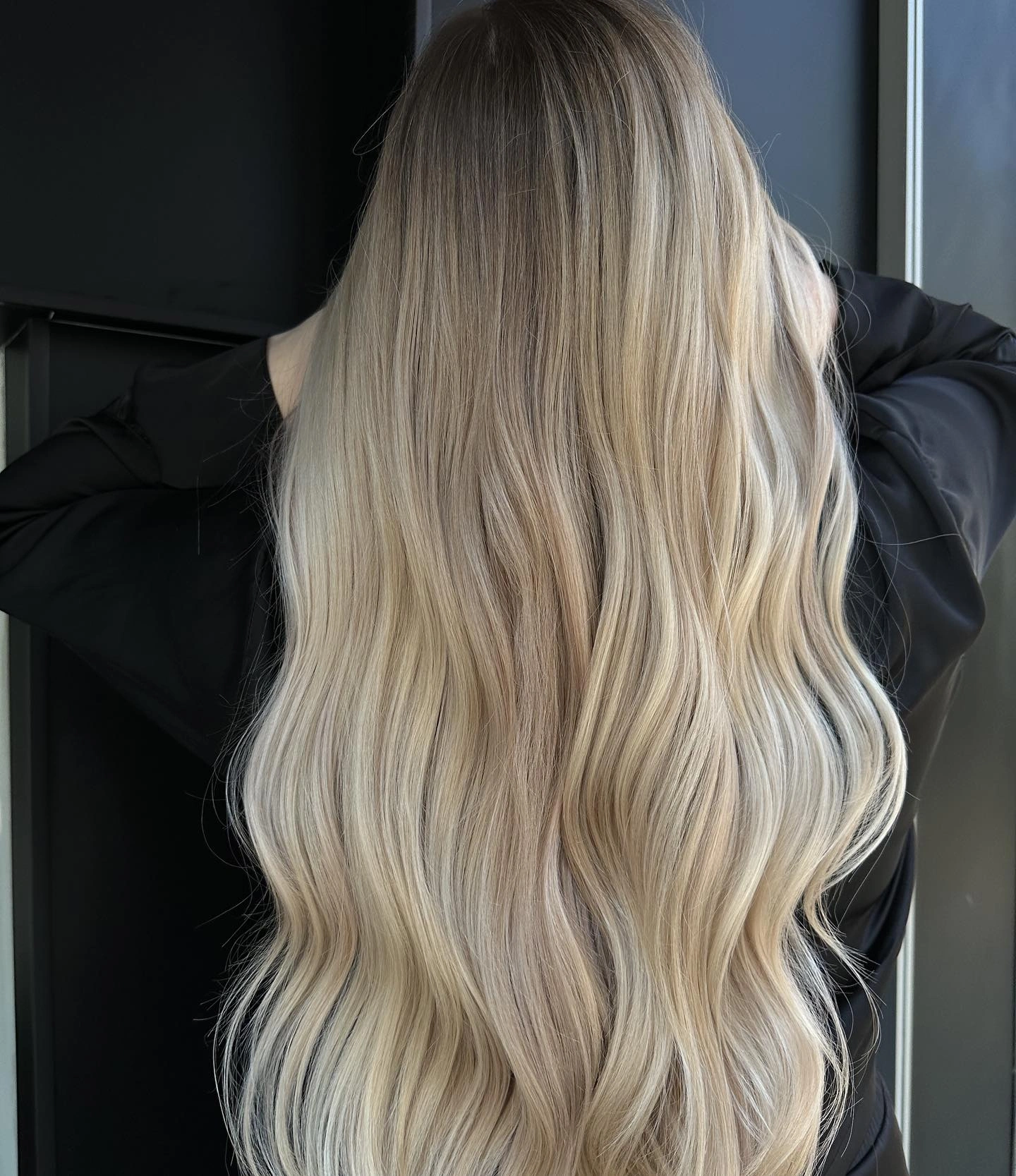
“Highlighting” is a fairly broad term covering various hair colouring techniques. What they share is the principle of partial lightening, as opposed to fully colouring the hair a lighter shade. All these techniques create a natural-looking effect and enhance the hair’s natural beauty, adding depth and volume.
This kind of partial colouring usually mimics the colour of sun-bleached hair. Different techniques and tone choices allow for varying levels of intensity and effect. But clients usually want a natural result from highlighting — looking as though the sun is simply catching their hair.
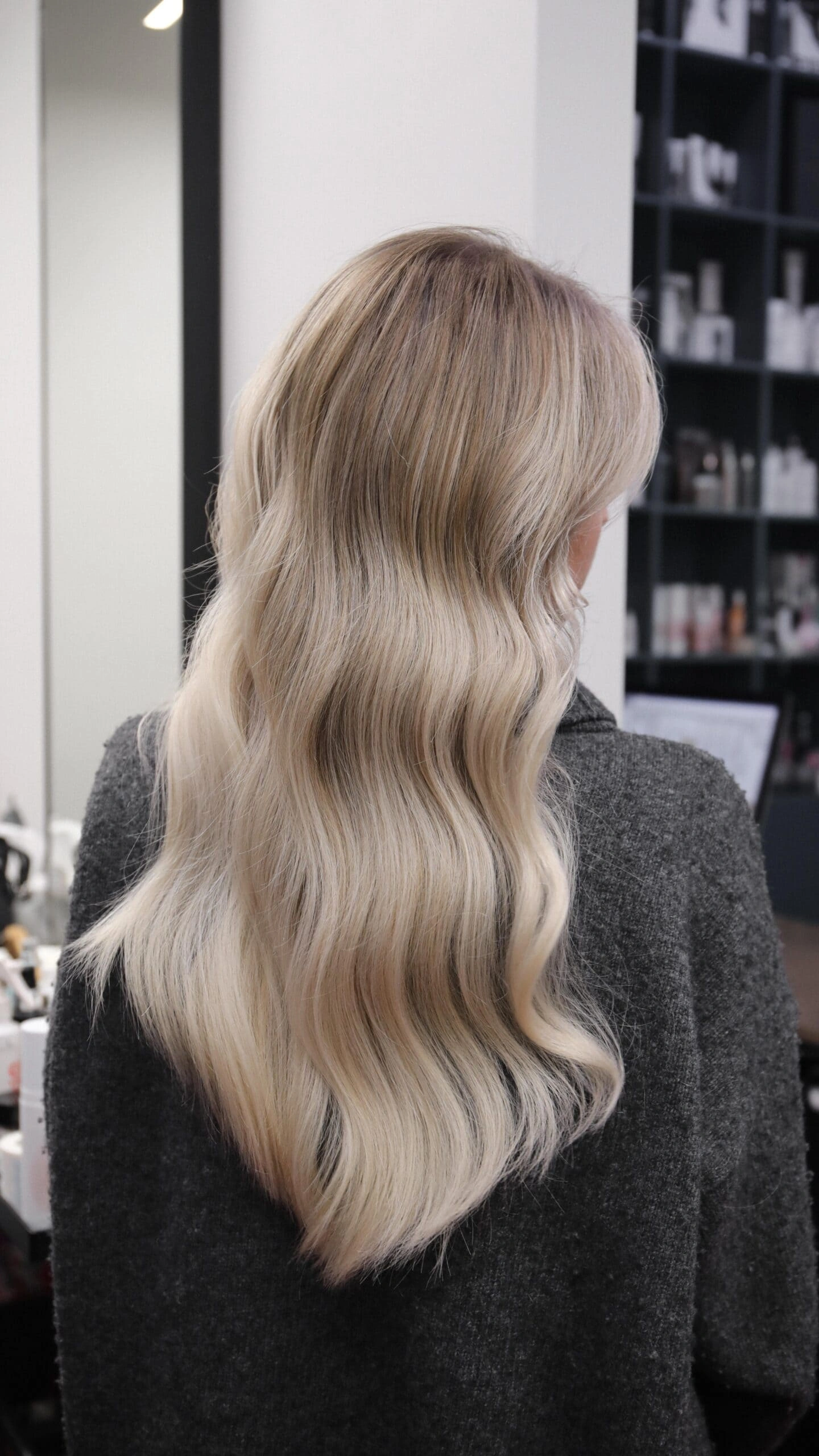
- Balayage — a hair colouring method that creates a smooth transition between natural and lightened sections of hair. To colour hair using the balayage technique, the stylist leaves the lightened strands without foil, so the tone blends less contrastingly and more naturally.
- Shatush — a variation of balayage. This technique involves backcombing the hair before applying the lightener. This creates the effect of sun-bleached hair.
- Brondage — works beautifully for brunettes, as it looks best on dark hair. The colourist essentially “scatters” light highlights through the locks, creating a glow around the face that makes it look visually fresher and younger.
- Ombre — characteristic of this technique is that the ends are made either much lighter or much darker than the hair at the roots. For this technique not to look jarring, the colour needs to be blended very delicately and with an understanding of colour theory. Achieving this effect at home is nearly impossible.
- Airtouch — a colouring technique where the stylist selects the strands to be coloured using a hairdryer: blowing a stream of air through the hair to separate it into layers. Toning these layers with colour, the stylist creates the effect of colour lightly touching the hair.
There are also other techniques for changing hair colour or tone: Californian highlights, Venetian highlights, “veil” highlighting, and others. They all produce a similar effect and are based on the same principles.
Classic highlighting suits hair of any length, but the full advantages of this technique are probably best appreciated on hair from shoulder-blade length and below.
And of course, it’s not worth experimenting with your style at home. Highlighting may only seem like a simple technique, but it takes the stylists at PIED-DE-POULE weeks of practice to master it. After all, modern trends are moving further and further away from classic contrasting highlights, replaced by softer, more natural colour transitions.
Hair Toning
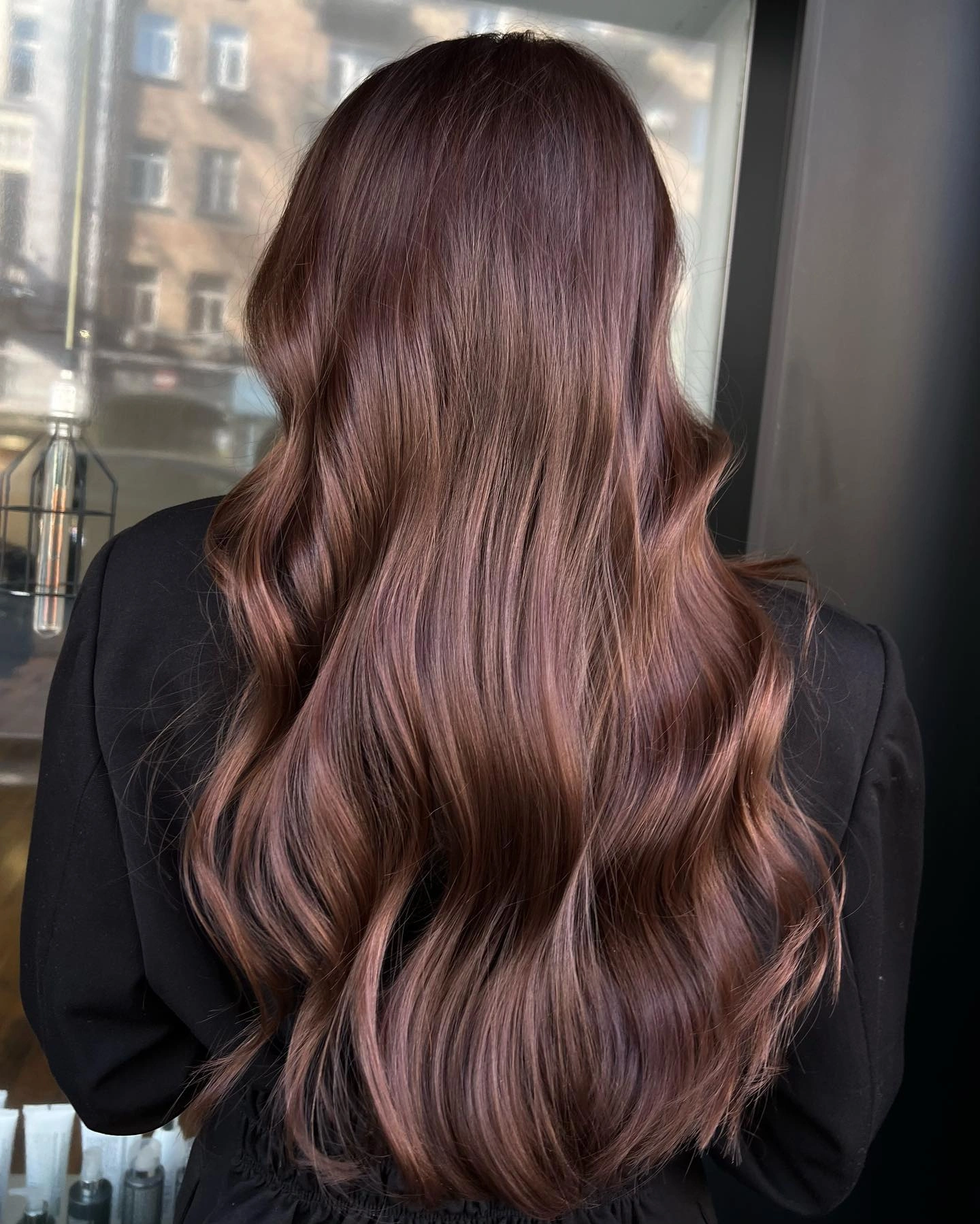
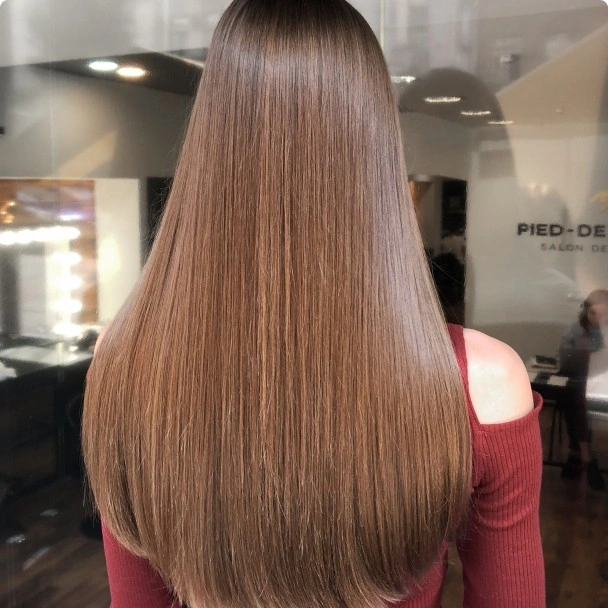
This colouring technique also changes the colour of the entire hair surface, but is considered gentler than solid colouring. This is because toning products don’t penetrate the hair structure as deeply as professional dye does.
The toned colour also only lasts until the first or second wash with water and shampoo. You can choose this style for a single party or important occasion. Good stylists will always suggest a colour that will look 100% right on you.
Hair Colouring for Men
Today, men are just as free to express themselves through their look as women are. Our colourists have all the skill and experience needed for them too.
The specialists at PIED-DE-POULE know how to camouflage grey hair, colour or tone hair to the right shade, taking into account the specific characteristics of men’s hair. Men’s hair colouring at PIED-DE-POULE means an individually chosen colour based on the client’s overall style and preferences.
If you want to try something new, add a bold shade or a little “something extra” to your usual look — come to us. The qualified, experienced stylists at PIED-DE-POULE salons will choose a colour for your hair based on your overall style and your wishes.
You can find out about colouring prices and book an appointment on our website or with our administrators.
Who Professional Hair Colouring Suits
Professional hair colouring suits:
- anyone who wants to change or refresh their hair colour;
- clients who want to hide grey hair or sun-faded colour;
- anyone looking for a natural effect — balayage, shatush, brondage;
- anyone who wants a bold accent — colour blocking, ombre, airtouch;
- men and women with any hair type.