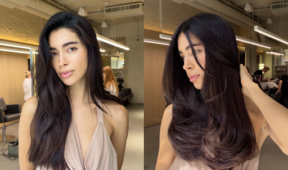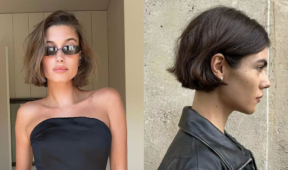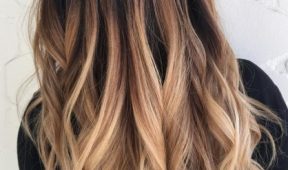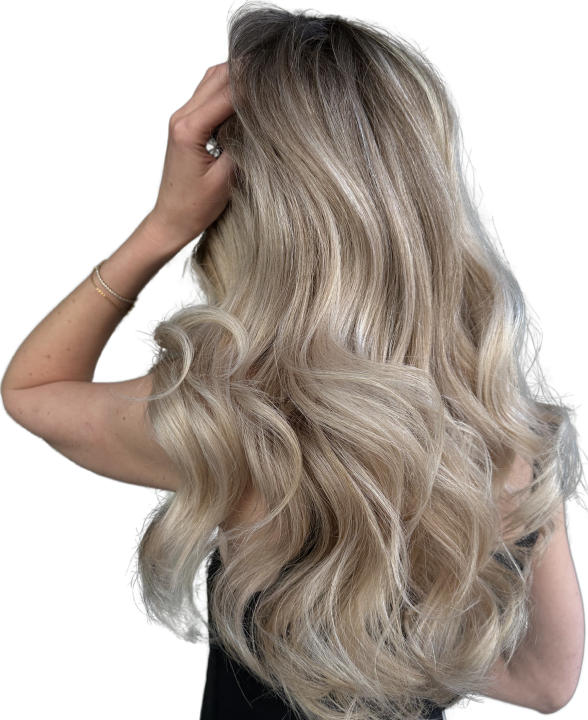
Hair toning is a way to refresh your shade, eliminate yellow tones after lightening, or add shine to your hair without aggressive coloring. That is why the procedure has become popular among those who want to maintain a luxurious and well-groomed look without frequent use of permanent hair dye.
In this article, we will explain what hair toning is, how long the results last, who the procedure is suitable for, and how to choose a shade that will not make your hair look dull, gray, or overly warm.
What Is Hair Toning and How Does the Procedure Work?
Hair toning is a procedure used to correct or refresh a shade with the help of toning products that work mainly on the surface of the hair. Unlike permanent dyes, these formulas do not radically alter the natural pigment but help give the hair the desired color nuance, shine, or neutralize unwanted undertones.
Today, toning is used not only after lightening. The procedure is popular for maintaining cool blonde shades, refreshing dark tones, evening out color after complex coloring techniques, and giving the hair a more polished appearance. Depending on the type of product used, the results may last from a few washes to several weeks.
How Is Toning Different from Hair Coloring?
The main difference between toning and traditional hair coloring lies in the way the pigment works and in the longevity of the result. Permanent dyes penetrate deeper into the hair structure and can dramatically change the base color, including lightening it. Toning products work more gently and do not have such a strong impact on the hair.
Whether to choose hair toning or coloring depends on the desired result. If you need to completely change the color or cover a high percentage of gray hair, coloring is usually the preferred option. However, if your goal is to adjust the shade, remove yellow tones, add shine, or make the color more even, toning is often sufficient.
Another advantage is that toning gradually fades without creating a harsh line between the roots and the lengths, which is why it is often considered a more comfortable option for maintaining color between major coloring appointments.
How Does Toning Pigment Interact with Hair?
During the toning process, the pigment is deposited mainly in the upper layers of the hair cuticle. That is why ammonia-free hair toning is considered a gentler option compared to permanent coloring. The hair is not exposed to such aggressive treatment, and the procedure often provides additional shine and visual smoothness.
The longevity of the result depends on the hair structure, porosity, home care routine, and the type of toning product used. For example, on lightened or porous hair, the pigment may wash out faster or appear more intense.
It is also worth mentioning acid hair toning — a professional technique often used after lightening. Such formulas work in a gentler pH environment, helping to make the color more even and the hair visually smoother and shinier.
When Is Hair Toning Really Necessary?
Most often, toning after lightening is performed to neutralize yellow tones or unwanted warm undertones. Toning products help achieve cool, beige, ash, or pearl blonde shades without the need for repeated aggressive lightening.
The procedure is also suitable for:
- refreshing hair color between coloring appointments;
- maintaining the shade after AirTouch, balayage, or shatush;
- evening out color throughout the length of the hair;
- adding shine to natural hair;
- softening the transition between grown-out roots and the lengths.
In many cases, toning is exactly what helps maintain a well-groomed appearance without the need to frequently use permanent dyes.

Who Is Hair Toning Suitable For?
Professional hair toning is suitable for those who want to adjust their shade without making a dramatic color change or who wish to maintain their results between coloring appointments. The procedure is often chosen after lightening, complex coloring techniques, or for a subtle refresh of the natural hair color. Hair toning in a salon also helps adapt the shade to your skin tone, the season, or a change in style without creating a harsh contrast.
The result largely depends on the base color, the condition of the hair, and the correctly selected formula. Therefore, in more complex cases, it is best to consult a professional colorist.
Blonde Hair Toning After Lightening
After bleaching, hair often requires additional shade correction. A lightened base may reveal warm undertones, lose color depth, or appear less even due to hair porosity. That is why hair toning after bleaching has become a standard step in blonde hair maintenance.
Hair toning can help:
- achieve a cool blonde shade without noticeable yellow tones;
- make the color softer or more neutral;
- add shine and visual smoothness;
- even out the shade throughout the lengths.
Cool blonde tones are also maintained through toning between major lightening sessions. This helps preserve a clean shade for longer without repeated aggressive treatment. However, it is important to keep in mind that excessive use of anti-yellow products at home can sometimes result in grayish or violet undertones.
Toning Dark and Light Brown Hair
Dark hair toning is usually used not to change the color but to add more depth, shine, and uniformity. The procedure helps refresh the shade after sun fading, enhance cool or chocolate tones, and visually bring life back to the hair lengths.
For a light brown base, toning is often used to:
- eliminate unwanted brassiness;
- emphasize ash or beige tones;
- make the natural color richer;
- add the effect of healthy-looking shine.
Natural hair toning is also popular among those who want minimal changes without switching to permanent coloring. In such cases, the color appears deeper while remaining as natural as possible.
Gray Hair and Men’s Hair Toning
Gray hair toning is suitable for soft color correction when the goal is to make gray hair less noticeable without full coverage. The procedure works best when there is a small percentage of gray hair or when softening the contrast between natural color and gray strands.
For men, gray blending has become a popular solution — a subtle men’s hair toning technique that helps maintain a natural appearance without the effect of “freshly dyed” hair. These treatments are usually performed in cool or neutral shades to ensure the result looks as natural as possible.
In addition to covering gray hair, men’s hair toning is also used for:
- refreshing the color;
- neutralizing faded or sun-bleached undertones;
- giving the hair a fuller visual appearance.
When Hair Toning May Not Be Suitable
Despite its gentle approach, hair toning is not suitable in every case. For example, after using henna or basma, the result may be unpredictable, as natural pigments interact differently with toning formulas.
It is also more challenging to work with severely damaged hair. On highly porous hair, the pigment may be deposited unevenly or wash out too quickly. In such situations, stylists often recommend restorative treatments first and toning afterward.
Special attention should also be paid to scalp sensitivity. If you have previously experienced an allergic reaction to hair dye or other cosmetic products, it is advisable to perform a patch test before the procedure, even when using ammonia-free formulas.
Types of Hair Toning
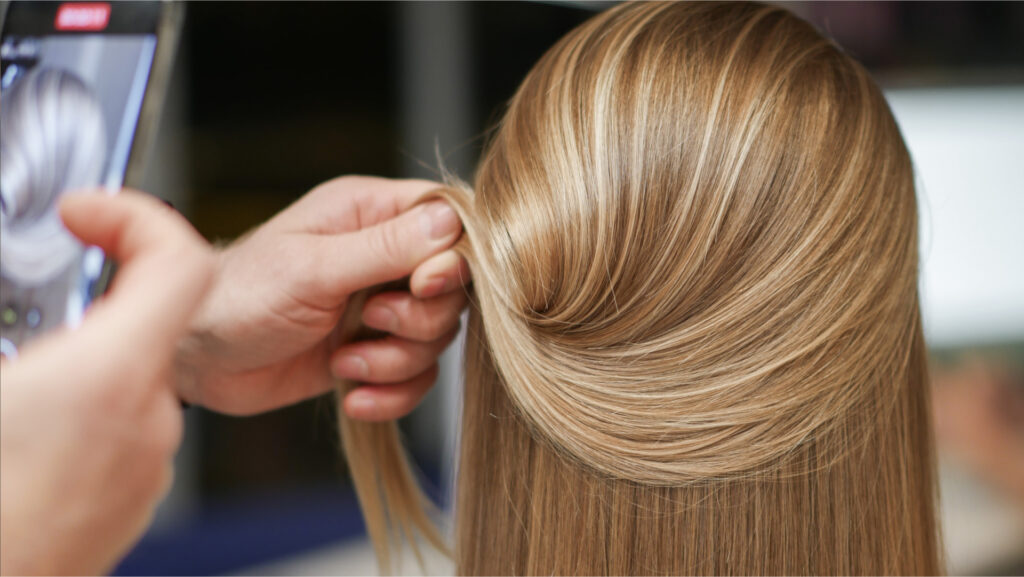
Different types of hair toning vary in terms of result longevity, product composition, and the depth at which the pigment works. Some formulas provide a light, short-term effect, while others help maintain the shade for several weeks or correct color after complex coloring techniques.
The choice of toning method depends on your hair base, desired result, and how often you are willing to refresh the color.
Light Toning: Shampoos, Masks, and Balms
Light toning is ideal for quickly refreshing a shade or maintaining color between salon appointments. These products work on the surface of the hair and gradually wash out after several shampoos.
The most common formats include:
- toning shampoo;
- toning hair mask;
- toning balm.
Anti-yellow shampoos and masks are most commonly used for blonde hair to maintain a cool shade and reduce yellow tones. For dark hair, products with chocolate, caramel, or cool brown pigments are popular because they help make the color appear richer and deeper.
Light toning is convenient for home care, but the result largely depends on proper use. For example, leaving a purple shampoo on for too long may make light hair appear grayish or create an uneven tone on porous areas.
Semi-Permanent Hair Toning
Semi-permanent toning provides a longer-lasting result compared to shampoos or balms. These formulas are often used in salons to correct color after lightening, maintain blonde shades, or refresh the tone between major coloring services.
Professional hair toning is usually performed using specialized hair toners that help:
- neutralize unwanted undertones;
- even out the color;
- add shine to the hair;
- make the shade cleaner and more predictable.
Semi-permanent systems are particularly effective for achieving complex cool, beige, or pearl shades without additional lightening. The result lasts longer while still fading gradually without creating a harsh regrowth line.
Intensive Hair Toning
Intensive toning is an option with a more long-lasting effect and is often used for deeper color correction or working with a challenging hair base. These products may contain a small percentage of activator or developer, allowing the pigment to be fixed more securely.
This type of toning is commonly used:
- after complex lightening techniques;
- for working with a dark hair base;
- when longer shade retention is required;
- for soft coverage of a small percentage of gray hair.
Despite its increased durability, intensive toning still works more gently than traditional permanent hair coloring. However, selecting the right formula and developer is best left to a professional stylist, as an incorrect ratio of components may affect both color accuracy and hair condition.
What Is the Difference Between At-Home and Salon Hair Toning?
Hair toning at home is usually performed using shampoos, masks, or ready-to-use toning products. This option is suitable for maintaining color, but it does not always allow for accurate prediction of the final result, especially on lightened or porous hair.
At-home hair toning has several common risks:
- uneven pigment distribution;
- color oversaturation;
- unwanted violet, green, or gray undertones;
- dryness throughout the lengths caused by improper care.
At PIED-DE-POULE salons, the colorist selects hair toning individually, taking into account the current shade, hair condition, and desired result. This approach helps achieve a harmonious color, natural shine, and a well-groomed look.If you want to refresh your shade or correct the color after lightening, book your hair toning appointment online at a time convenient for you. Choose a salon and date, and our colorists will help select the shade that best highlights the beauty of your hair!
What Is Important to Know Before Hair Toning
Before the procedure, it is important to consider not only the desired shade but also the current condition of your hair. The base color, porosity, and previous coloring treatments all affect how even and long-lasting the result will be.
Before toning, it is worth considering:
- whether the hair has been previously lightened;
- whether henna or basma has been used;
- how dry or porous the hair is;
- whether there is sensitivity to coloring products;
- whether keratin or hair botox treatments have been performed.
If the hair is severely damaged, the stylist may first recommend a restorative treatment. In some cases, this helps achieve a cleaner and more even shade after toning.
Why Many People Choose Hair Toning in a Salon
At-home toning products can help maintain your hair color between appointments, but achieving a predictable and even result on your own is not always easy. This is especially true for blonde hair, hair that has been lightened, or hair treated with complex coloring techniques.
In a salon, a colorist takes into account:
- the current condition and porosity of the hair;
- the underlying pigment after lightening;
- previous coloring history;
- the presence of gray hair;
- the desired shade and its longevity.
Thanks to a professional consultation and hair assessment, the colorist can create a customized formula that helps avoid unwanted yellow, gray, violet, or green undertones. In addition, salon toning is often combined with professional hair care treatments that enhance shine and help maintain the color for longer.
PIED-DE-POULE colorists’ tip: If your hair has been lightened, has uneven color, or has undergone multiple coloring treatments, it is best to leave toning to a professional. This helps achieve a cleaner, more even, and more predictable result.
How Hair Toning Is Performed in a Salon
Hair toning in a salon begins with a consultation and hair assessment. The stylist evaluates the current color, the condition of the lengths, previous coloring history, and the desired result. This is important because the same shade can appear differently on natural, lightened, porous, or previously colored hair.
The procedure usually consists of several stages:
- consultation and determination of the desired shade;
- assessment of the hair condition, porosity, and current base color;
- selection of the toning product and formula;
- application of the formula to the entire length or specific areas;
- monitoring of the processing time;
- rinsing the product and performing the finishing treatment;
- recommendations for at-home hair care after the procedure.
How hair toning is performed depends on the goal. In one case, the objective may be to eliminate yellow tones after lightening; in another, to refresh a dark shade, even out the color after a complex coloring service, or add more shine to the hair.
Hair Assessment and Shade Selection
At the first stage, the stylist evaluates not only the color but also the overall condition of the hair. Before toning, it is important to understand how the hair lengths will react to the pigment and whether the shade can be applied evenly.
The stylist takes into account:
- the natural or previously colored base;
- the underlying lightening background after bleaching;
- hair porosity;
- dryness and brittleness of the lengths;
- the presence of gray hair;
- previous coloring, lightening treatments, henna, or basma;
- the desired result: a cool, warm, neutral, or more intense shade.
The underlying lightening background is especially important — it is the warm pigment that appears after bleaching or lightening. It determines which shade is needed to neutralize yellow, orange, or overly warm undertones.
Shade selection also depends on the desired effect. For blonde hair, the stylist may choose pearl, beige, ash, or neutral tones. For dark hair, chocolate, coffee, cool brown, or caramel nuances are more commonly used. If the hair is porous, the formula is adjusted to ensure the pigment is deposited evenly and does not create unwanted gray, green, or violet undertones.
Application of the Toning Formula
After selecting the formula, the stylist applies the hair toner throughout the lengths or to specific sections. The application method depends on the technique and the goal of the procedure: overall color refreshment, neutralization of yellow tones, work on selected strands, or shade correction after a complex coloring service.
During application, the stylist monitors:
- even distribution of the formula;
- shade intensity;
- the reaction of porous areas;
- processing time;
- how closely the result matches the desired tone.
This is especially important for lightened hair, where the pigment may develop more quickly. If the formula is left on for too long, the shade may become too cool, gray, or violet.
Hair Toning Techniques
Hair toning can be performed as a standalone procedure or as the final step after a complex coloring service. The choice of technique depends on the desired result and the effect that needs to be achieved.
Hair toning can be a standalone procedure or the final step after a complex coloring service. The choice of technique depends on whether the goal is to achieve an even color, a soft transition, a sun-kissed effect, or highlights on specific strands.
Full-Length Hair Toning
Full-length hair toning is used when the goal is to achieve a uniform shade, refresh the color, or even out the tone after coloring. This option is suitable for blonde, light brown, dark, and natural hair.
It is chosen when you want to:
- make the color more even;
- refresh a dull shade;
- add shine;
- eliminate unwanted undertones throughout the hair.
Shatush with Toning
Shatush with toning helps create the effect of naturally sun-lightened strands. First, the stylist works on selected sections of the hair, and then uses toning to soften the transition and neutralize unwanted warm undertones.
This option is ideal for those who want a light, natural-looking result without a harsh contrast between the roots and the lengths.
Ombre with Toning
Ombre with toning is used when several shades need to be blended with a smooth transition from darker roots to lighter ends. Toning helps make the transition between colors more harmonious.
This technique works particularly well for those who want to maintain a darker top section while adding a lighter accent to the lengths or ends.
Balayage with Toning
Balayage with toning is suitable for creating soft, light accents throughout the hair lengths. After the strands are lightened, the toning formula helps achieve the desired shade—cool, beige, caramel, or natural.
Balayage creates a soft and dimensional look, while toning makes the final result appear more polished and well-groomed.
Finishing Care After the Procedure
After the toning formula is rinsed out, the stylist applies a treatment that helps stabilize the color, soften the hair, and add shine. Most often, this involves a conditioner or mask for color-treated hair selected according to the condition of the lengths.
Finishing care may include:
- a cuticle-sealing treatment;
- a mask for color-treated hair;
- a conditioner for shine and smoothness;
- heat protection before blow-drying;
- a light styling finish after the procedure.
Hair care after toning is important to ensure that the shade fades evenly and does not lose its intensity too quickly. After the procedure, the stylist may recommend a shampoo for color-treated hair, moisturizing masks, or products designed to maintain cool tones if the toning was performed on blonde hair.
How Long Does Hair Toning Last?
How long hair toning lasts depends on the type of product used, the condition of the hair, and the at-home care routine after the procedure. On average, the result lasts from a few washes up to 4–6 weeks. Light toning shampoos or balms fade more quickly, while professional semi-permanent formulas can last longer and fade more evenly.
It is also important to understand that hair toning does not work in the same way as permanent coloring. The pigment gradually loses intensity, so the color changes more softly and without a harsh line between the roots and the lengths.
Approximate longevity depending on the type of toning:
| Type of Toning | How Long It Lasts |
| Toning Shampoo | 1–3 washes |
| Toning Balm or Mask | Up to 1–2 weeks |
| Semi-Permanent Toning | 3–6 weeks |
| Intensive Toning | Up to 6–8 weeks |
What Affects Color Longevity?
The longevity of hair toning depends not only on the product itself but also on the hair structure and external factors. On one hair type, the pigment may last longer, while on another it may fade after only a few washes.
The main factors affecting the result are:
- hair porosity;
- level of lightening;
- at-home hair care;
- frequency of hair washing;
- use of heat styling tools;
- exposure to sunlight and seawater;
- water quality.
Porous hair absorbs pigment more quickly, but it also releases it more quickly. That is why on lightened blonde hair or damaged lengths, the shade may lose its intensity unevenly.
It is also important to understand how quickly toning fades depending on the shade. Cool, ash, and pearl tones usually require more frequent refreshing, while warm, caramel, or chocolate shades may last longer.
How Often Can You Tone Your Hair?
How often you can tone your hair depends on the type of procedure and the condition of your hair lengths. Light toning products can be used more frequently because they work on the surface and wash out quickly. Professional semi-permanent or intensive toning is usually refreshed every 4–8 weeks.
Hair may require re-toning sooner if:
- the hair is highly porous;
- flat irons or curling irons are used frequently;
- the color is maintained in cool shades;
- the hair is regularly exposed to sunlight or seawater;
- aggressive shampoos are used.
For blonde hair, toning often becomes a regular maintenance procedure between lightening services. This helps preserve a clean shade without constant aggressive treatment.
Why Does Hair Toning Sometimes Fade Unevenly?
In some cases, hair toning may fade in patches or unevenly throughout the lengths. Most often, this is related to the condition of the hair and the at-home care routine after the procedure.
The main causes of uneven fading include:
- varying levels of porosity throughout the hair lengths;
- dry or damaged ends;
- hard water and its effect on the hair;
- improper at-home hair care;
- frequent use of hot styling tools;
- sun exposure affecting hair color;
- mistakes made after the toning procedure.
For example, if the ends are severely damaged, they may absorb more pigment and remain darker or cooler for a longer period. Meanwhile, less porous areas may lose color more quickly.
Hard water can also affect the result. A high concentration of minerals may alter blonde tones, cause yellowing, or make the color appear dull. That is why, after toning, it is important to use products designed for color-treated hair and treatments that help maintain moisture balance and protect the pigment from fading too quickly.
How Long Does a Hair Toning Procedure Take?
The duration of a hair toning procedure depends on the technique, hair length, density, and the initial condition of the hair. On average, the process takes between 40 minutes and 2 hours. If toning is performed as a standalone service without lightening, it usually requires less time. After complex coloring techniques or bleaching, the procedure may take longer due to additional assessment, formula selection, and work on porous areas.
The duration is also affected by:
- the need to neutralize yellow tones;
- the number of shades used;
- the complexity of the technique;
- the level of hair damage;
- the need for additional post-treatment care.
Procedure Duration Depending on Hair Length
The longer and thicker the hair, the more time is needed to apply the formula and ensure even color distribution. The procedure is generally faster on short hair, while longer hair requires more detailed work.
Approximate toning times:
| Hair Length | Approximate Procedure Time |
| Short Hair | 40–60 minutes |
| Medium-Length Hair | 1–1.5 hours |
| Long and Thick Hair | 1.5–2 hours |
If toning is combined with styling, restorative treatments, or complex coloring techniques, the total time may increase.
How Long Does Toning Take After Lightening?
Toning after lightening usually takes longer than a standard color refresh. After bleaching, the stylist additionally evaluates the underlying lightening background, the condition of the hair lengths, and the level of hair porosity to select the correct formula.
In such cases, the procedure may include:
- cleansing the hair after lightening;
- neutralizing unwanted warm undertones;
- applying multiple toning formulas;
- additional care for porous hair.
On average, toning after lightening takes between 1 and 2 hours, depending on the complexity of the work and the desired result.
When Is Re-Toning Necessary?
Re-toning is needed when the shade begins to lose its intensity or unwanted undertones start to appear. For blonde hair, this is most often yellowing or excessive warmth; for dark hair, it is usually a loss of color depth and shine.
A tone refresh may be needed sooner if:
- the hair is highly porous;
- heat styling is used frequently;
- the hair is exposed to seawater or sunlight;
- aggressive shampoos are used;
- the shade is maintained within a cool color range.
In most cases, stylists recommend repeating professional hair toning every 4–8 weeks, depending on the hair type and the desired result.
How to Care for Your Hair After Toning
Hair care after toning affects not only the condition of the hair lengths but also how long the shade will last. Even professional toning can fade more quickly if the hair is regularly dried out, exposed to hard water, or washed with aggressive shampoos.
To keep the toned color looking fresh for longer, it is important to maintain moisture balance in the hair and minimize factors that accelerate pigment fading.
After the procedure, stylists usually recommend:
- gentle cleansing without harsh ingredients;
- regular hydration of the hair lengths;
- heat protection before styling;
- protection from intense sun exposure;
- the use of products designed to maintain the shade.
Especially for blonde hair, cool shades, and porous hair, where pigment tends to fade more quickly.
Which Shampoo Should You Use After Hair Toning?
After toning, it is best to use a shampoo designed for color-treated hair with a gentle cleansing formula. Such products help cleanse the hair delicately without causing the pigment to wash out too quickly.
The most commonly recommended options for color maintenance include:
- sulfate-free shampoo;
- shampoo for color-treated hair;
- moisturizing formulas for porous hair;
- products without harsh cleansing agents.
A sulfate-free shampoo is particularly beneficial for blonde, lightened, or dry hair. It provides gentler cleansing and helps maintain cool or neutral tones for a longer period.
It is also important to pay attention to water temperature. Water that is too hot opens the hair cuticle more quickly, causing the pigment to fade faster.
How to Use Purple Shampoo Correctly
Purple shampoo is used to maintain cool blonde shades and neutralize yellow tones after lightening. These products contain purple or blue pigments that help counteract unwanted warm undertones.
To use purple shampoo effectively, it is important to:
- avoid using it every day;
- follow the recommended processing time;
- consider the porosity of your hair;
- alternate it with a regular shampoo for color-treated hair;
- apply a mask or conditioner after use.
On highly porous or overly dry hair, purple shampoo may sometimes create a grayish, bluish, or violet tint. That is why it is important to monitor how often it is used and not leave it on longer than recommended by the manufacturer.
To maintain a cool blonde shade, it is usually sufficient to use these shampoos once a week or even less frequently, depending on the condition of the hair and how quickly yellow tones appear.
What Should Be Avoided After the Procedure?
After hair toning, it is not recommended to:
- wash your hair with very hot water;
- use deep-cleansing shampoos;
- frequently use a flat iron or curling iron without protection;
- skip heat protection products for your hair;
- spend extended periods in direct sunlight without UV protection;
- visit chlorinated swimming pools immediately after the procedure.
Hot water after coloring and toning has a particularly negative effect on cool shades, as it causes them to lose intensity more quickly and become warmer over time.
It is also important to remember that frequent heat styling without protection gradually makes the hair more porous. As a result, the pigment fades faster, and the color may lose its evenness and shine.
Popular Hair Toning Shades in 2026
Hair toning trends in 2026 focus on natural shades, soft transitions, and the appearance of healthy, shiny hair. Both cool blondes and warm caramel or coffee-inspired tones remain popular, as they look more natural and are easier to maintain.
Cool Blonde and Pearl Shades
Cool blonde remains one of the most popular toning options after lightening. In 2026, softer shades without overly gray undertones are especially trendy:
- pearl blonde;
- ash beige blonde;
- milky blonde;
- neutral cool blonde.
These shades help neutralize yellow tones and give the hair a more polished and well-maintained appearance.
Beige Blonde, Creamy Blonde, and Mocha Mousse
Among natural-looking trends, beige blonde and creamy blonde remain highly popular — soft warm blonde shades without harsh contrast.
For dark hair, mocha mousse has become a fashionable choice — a chocolate-coffee shade with a soft cool or neutral undertone. It helps refresh the color and make it appear richer and deeper.
Caramel, Pink, and Peach Shades
Caramel tones add warmth to the hair and pair beautifully with a naturally dark base. Soft pink and peach-inspired shades also continue to trend:
- peach blonde;
- rose beige;
- soft peach.
This type of toning allows you to refresh your look without making a dramatic change to your hair color.
Hair Toning: Key Takeaways
Hair toning is a gentle way to refresh your shade, neutralize unwanted undertones, and add shine without dramatically changing your hair color. The procedure is suitable for blonde, dark, light brown, and gray hair, and it also helps maintain the results of lightening, AirTouch, balayage, or shatush.
To keep the color looking even and lasting longer, it is important to consider the condition of the hair, choose the right shade, and follow an appropriate aftercare routine. This is especially important for complex coloring techniques and cool blonde shades that require a professional approach.
At PIED-DE-POULE salons, colorists create a personalized toning formula based on your hair base, desired result, and color characteristics. This helps achieve a predictable shade, natural shine, and a beautifully maintained look.
Professionally performed hair toning not only helps correct the color but also highlights the beauty of the hair, adding depth, shine, and visual volume. Book your hair toning appointment at PIED-DE-POULE online — our colorists will choose the right solution for your hair type and desired result.