Contacts:
Leg Massage

Leg Massage

Leg massage relieves the heaviness and fatigue that build up after a day of walking or sitting, and brings lightness back to your legs in just one session. At PIED-DE-POULE, leg massage is chosen individually — from a gentle restorative approach to a more intensive one focused on circulation and lymph flow, depending on what's bothering you. The format works well both as a standalone treatment and as an addition to other types of body massage.

Lighter legs

Heaviness and fatigue ease off during the session itself.

Better circulation

Tissue and blood vessels get more oxygen.

Less swelling

Lymph moves more actively, excess fluid is drained.

Whole-body relaxation

There are many points on the feet connected to the whole body.

What is leg massage

One of the most popular types of massage is leg massage, which is designed to relax the muscles and reduce feelings of fatigue and tension after physical activity or prolonged periods of standing. During the treatment, the specialist works on the feet and other areas of the legs, selecting the appropriate techniques and intensity based on the client’s individual needs. The main goal of this type of massage is to restore a feeling of lightness, improve overall well-being, and provide comfortable relaxation.

Why leg massage isn’t just a pleasant extra

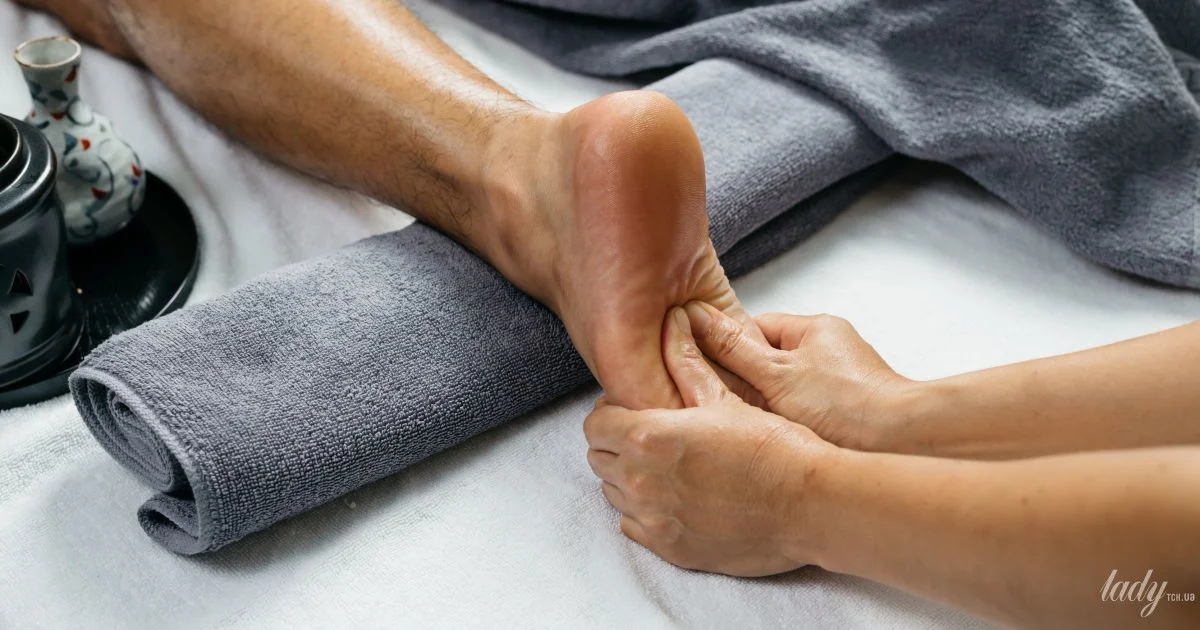
Your feet carry the weight of your whole body every day, which is why they’re the first to accumulate fatigue and tension. The therapist works with their hands — fingers, the edge of the palm, knuckles — along the shins, calves, ankles, feet, and the spaces between the toes, alternating slow warming movements with more energetic work. There are many reflex points on the feet connected to the internal organs, so leg massage works not only locally, but on your overall wellbeing too.

Types of leg massage

Depending on the client’s request, the therapist chooses one technique or combines several:

  •     classic leg massage — gentle, sequential work on the muscles of the shin and foot, which relieves tension and fatigue without aggressive pressure
  •     Thai technique — working with the energy points of the foot, giving a deeper sense of relaxation
  •     lymphatic drainage leg massage — gentle wave-like movements along the direction of lymph flow, targeting swelling and heaviness
  •     toning (energising) massage — faster, invigorating movements, best suited for the morning or before an active day
  •     deep work on the shin and foot — a more intensive technique for anyone with chronic tension in the legs

If your request goes beyond the legs and you’d like a more comprehensive relaxation, classic leg massage pairs well with back massage in a single visit — strain on the spine and on the feet often shares the same cause: a sedentary lifestyle.

Indications and who leg massage suits

Indications:

  •     heaviness, swelling, and fatigue in the legs by the end of the day
  •     a sedentary job, or the opposite — a standing one
  •     flat feet and strain on the foot joints
  •     a period of recovery after physical exertion

Contraindications:

  •     open wounds, abrasions, or inflammation on the skin of the feet
  •     fungal or infectious skin conditions on the legs
  •     advanced varicose veins, thrombosis
  •     increased capillary fragility and a tendency to bruise
  •     feverish state or acute infectious illness

If the goal is specifically tackling swelling and fluid retention rather than general relaxation, a dedicated lymphatic drainage massage is a more precise choice, working on the same principle but for the whole body, not just the legs.

Leg massage is also worth considering separately for anyone preparing for a long flight or trip, or who’s just returned from one — the sluggishness in the legs after long periods of sitting eases off especially noticeably.

For athletes or anyone recovering from intensive training, sports massage is sometimes more effective — it works more specifically on the muscle tissue, not just the feet.

Preparation and aftercare

  •     avoid heavy food and alcohol for 2-3 hours before the session
  •     arrive in comfortable shoes that are easy to remove
  •     drink a glass of water after the massage, to support fluid drainage
  •     avoid intensive physical activity for a few hours
  •     apply a moisturising or soothing cream to your legs at home, and if possible, lie down for 10-15 minutes with your legs raised above heart level
Read More

What Leg Massage at PIED-DE-POULE Looks Like

01
01 Consultation and Technique Selection

The therapist asks about how you're feeling, areas of tension, and the goal of your visit, then chooses one of the techniques — classic, Thai, lymphatic drainage, toning, or deep — depending on the request.

02
02 Preparation

The skin of the legs is cleansed and massage oil or cream is applied, so the movements are smooth and the contact comfortable.

03
03 Warm-Up

The session begins with slow strokes over the shins and feet, which gradually increase the tissue's sensitivity to further work.

04
04 Working the Shin and Foot

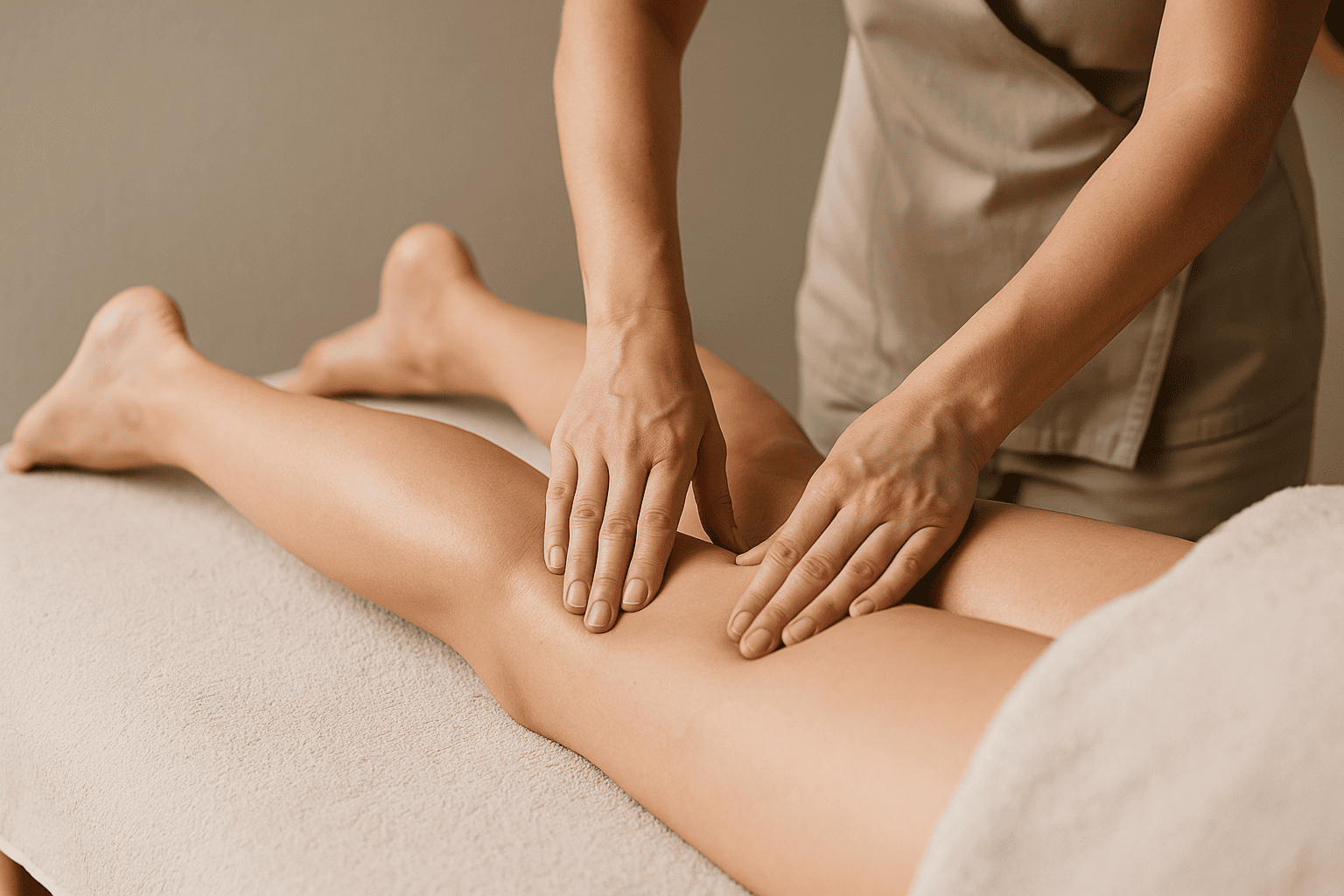
The therapist works with their fingers, the edge of the palm, and knuckles along the calves, ankles, feet, and the spaces between the toes, alternating intensity according to the chosen technique.

05
05 Working the Reflex Points

Extra attention is given to the active points of the foot, connected to overall wellbeing and depth of relaxation.

06
06 Finishing the Session

The movements become smooth and slow again, the skin is moisturised with cream, and you're given a few minutes to lie quietly.

Time to preen my feathers

Book an appointment

Benefits of Leg Massage at PIED-DE-POULE

Масаж ніг — ручне опрацювання стоп для зняття втоми
  • Less Heaviness and Swelling

    The lymphatic drainage effect of the massage helps remove stagnant fluid. Legs feel noticeably lighter after just the first session.

  • Oxygenating the Tissue

    Active work on the tissue improves blood circulation in the shins and feet. This supports the blood vessels and reduces the feeling of fatigue during prolonged strain.

  • Relaxation Through Reflex Points

    Working on the active points of the foot calms the nervous system as a whole. The effect is felt not only in the legs, but in your overall wellbeing.

  • A Lighter Step Without Strain

    Regular foot and leg massage releases built-up tension in the ankle joint. Over time, walking feels lighter, and fatigue builds up more slowly.

FAQ

  • What is foot massage, and how does it differ from leg massage?

    Foot massage focuses exclusively on the feet and reflex points, while leg massage usually also covers the shins. At PIED-DE-POULE, the session format is matched to your request — you can have just your feet worked on, or your whole legs.

  • How does classic leg massage differ from lymphatic drainage massage?

    Classic leg massage mainly works on muscle tone and overall relaxation, while lymphatic drainage massage uses gentle wave-like movements along the direction of lymph flow, specifically targeting swelling. These techniques are often combined within a single session depending on the request.

  • How long does a leg massage session last?

    Massage of the feet alone usually takes 20-25 minutes, while a full leg massage including the shins takes 40 minutes to an hour. The exact length is chosen during the consultation, depending on the technique.

  • How often can you get leg massage?

    For preventing heaviness and mild swelling, 1-2 sessions a week are enough; for a more noticeable result, a course of 6-10 treatments is recommended. After intensive exertion or flights, massage can be booked as needed, with no strict schedule.

  • Does leg massage help with varicose veins?

    Gentle techniques, particularly lymphatic drainage, can support circulation and reduce a feeling of heaviness, but massage is contraindicated for advanced varicose veins. It’s worth telling your therapist about the condition of your blood vessels before booking, so they can choose a safe format or recommend a doctor’s consultation.

Book Now